


Description
Product Overview
Penguin Kindle eBook presents a comprehensive examination of contemporary literary criticism, focusing on the theories and methodologies that shape modern analysis. Authored by leading scholars, the text bridges classic critical frameworks with emerging perspectives, offering readers a nuanced understanding of how literature is interpreted in the twenty‑first century. Its scholarly rigor makes it a valuable resource for both undergraduate coursework and graduate research, while its accessible language invites casual readers interested in the art of critique.
Designed for the Kindle platform, the eBook leverages enhanced typesetting to improve readability on screens of all sizes. The layout includes generous line spacing, optimized margins, and high‑contrast fonts that reduce eye strain during extended study sessions. Word Wise integration automatically provides definitions for challenging vocabulary, allowing readers to maintain flow without interrupting comprehension. Additionally, full screen‑reader compatibility ensures that visually impaired users can access the content through auditory narration, aligning the product with inclusive publishing standards.
The digital edition spans 389 pages, each packed with detailed case studies, critical essays, and illustrative examples that illuminate key concepts. Readers will encounter analyses of canonical works ranging from Victorian novels to post‑colonial poetry, each examined through lenses such as feminist theory, structuralism, and digital humanities. The breadth of material supports interdisciplinary inquiry, enabling scholars to draw connections between literature and fields like sociology, philosophy, and cultural studies. By providing a rich tapestry of perspectives, the eBook encourages deeper intellectual engagement and fosters a habit of critical thinking.
Compatibility extends across all Kindle devices, including the latest Paperwhite, Oasis, and the basic Kindle, as well as the Kindle app for iOS, Android, and desktop operating systems. The file size of 3.0 MB ensures quick download and minimal storage impact, while the Kindle format preserves formatting integrity regardless of the device used. Readers can also take advantage of the Page Flip feature to skim through chapters, bookmark important sections, and annotate passages with personal notes that sync across devices. This seamless ecosystem enhances the study experience by keeping research organized and readily accessible.
The eBook’s scholarly credibility is reinforced by its placement on Amazon’s Best Sellers Rank, where it holds notable positions within the Kindle Store’s literary criticism categories. Rankings such as #57 in 21st Century Literary Criticism and #103 in 19th Century Literary Criticism reflect strong market acceptance and suggest a broad readership base. Customer reviews averaging 4.5 out of 5 stars further attest to the work’s quality, relevance, and the satisfaction of readers who have benefited from its insightful analysis and user‑friendly features.
Beyond its academic merits, the eBook serves as an engaging companion for readers seeking personal enrichment. Its narrative style balances rigorous scholarship with approachable prose, making complex theories digestible without sacrificing depth. Whether exploring the evolution of narrative techniques or examining the impact of cultural contexts on literary production, the text invites curiosity and encourages readers to apply critical lenses to their own reading habits. This dual focus on education and enjoyment positions the book as a versatile tool for lifelong learning.
The inclusion of Word Wise and screen‑reader support reflects Penguin’s commitment to accessibility, ensuring that the eBook is usable by a diverse audience. Word Wise highlights unfamiliar terms with simple definitions, allowing readers to maintain momentum while expanding vocabulary. Screen‑reader compatibility provides an auditory alternative for those with visual impairments, adhering to best practices in digital publishing. These features not only broaden the potential readership but also demonstrate a forward‑thinking approach to inclusive education.
In summary, this Penguin Kindle eBook combines scholarly depth with modern digital conveniences, delivering a resource that meets the needs of academics, students, and curious readers alike. Its extensive coverage, user‑friendly features, and cross‑device compatibility make it a standout addition to any digital library. By investing in this eBook, readers gain a reliable reference that supports critical inquiry, enhances literary appreciation, and adapts to evolving reading habits in the digital age.
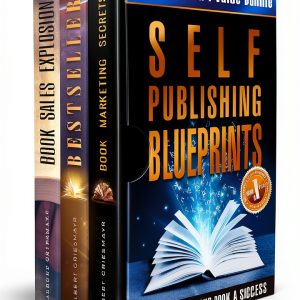
![[Product front view showing all components]](https://www.xevex.store/wp-content/uploads/2026/06/0f59db2828f24013b59a5ca09e894389.jpg)
Usage
Students enrolled in literature, cultural studies, or humanities programs can integrate this eBook into their semester reading lists, using its searchable format to locate specific chapters or concepts quickly. The ability to highlight passages and add personal notes directly within the Kindle interface streamlines the research process, allowing scholars to compile annotations that can be exported for essays or presentations. This digital workflow reduces reliance on physical copies and supports environmentally conscious study habits.
Educators can assign readings from the eBook and monitor student progress through Kindle’s classroom tools, which provide insights into how often a text is opened and which sections receive the most attention. The built‑in dictionary and Word Wise features assist learners in mastering discipline‑specific terminology, fostering deeper comprehension without interrupting the flow of study. Moreover, the eBook’s compatibility with multiple devices ensures that students can access material both on campus and at home.
Researchers conducting comparative analyses can benefit from the eBook’s robust search functionality, which allows queries across the entire text for keywords, author names, or theoretical terms. This capability accelerates literature reviews by pinpointing relevant passages without the need to manually scan printed pages. The inclusion of page numbers that correspond to the print edition also facilitates citation accuracy, enabling scholars to reference the digital source in accordance with academic standards.
Professionals in publishing or literary criticism can use the eBook as a reference guide when drafting articles, reviews, or editorial pieces. The quick navigation features, such as the Page Flip and bookmark tools, allow users to jump between sections efficiently, supporting time‑sensitive writing tasks. Additionally, the eBook’s high‑resolution typography ensures that citations appear clear and legible, preserving the professionalism of any document that incorporates its content.
Travelers and commuters who prefer reading on the go will find the eBook’s compact file size and instant download convenient for offline access. Whether on a long flight, a daily commute, or a quiet café, the Kindle interface adapts to varying lighting conditions with adjustable brightness and a built‑in night mode, reducing eye strain. This flexibility ensures that scholarly reading can fit seamlessly into diverse daily routines.
Library patrons can add the eBook to their personal collections through Kindle’s lending program, allowing multiple users to share the resource within a community. This feature promotes collaborative learning, as readers can discuss insights and exchange annotations through shared notes. By facilitating collective engagement, the eBook becomes more than a solitary study tool—it evolves into a catalyst for intellectual dialogue among peers.
Authors preparing manuscripts can reference the eBook’s citation format, which aligns with MLA and APA guidelines, simplifying the inclusion of scholarly sources in their own work. The digital environment also allows for quick cross‑referencing of related topics, supporting the development of comprehensive bibliographies. By serving as both a source of knowledge and a model for proper academic formatting, the eBook assists writers in producing polished, well‑structured publications.
Why Choose Us
Penguin’s reputation as a leading publisher ensures that the content of this eBook meets rigorous editorial standards, offering readers confidence in its accuracy and scholarly relevance. Each chapter undergoes thorough peer review, guaranteeing that the arguments presented are well‑substantiated and reflect current academic discourse. This commitment to quality distinguishes the eBook from unvetted online resources, providing a trustworthy foundation for study and research.
The eBook’s enhanced typesetting and design choices reflect Penguin’s dedication to reader comfort, employing optimized line spacing, margin settings, and font selections that reduce visual fatigue during prolonged reading sessions. These design elements are the result of extensive user testing and reflect best practices in digital publishing. By prioritizing ergonomics, Penguin ensures that users can engage with complex material without strain, enhancing overall comprehension and retention.
Accessibility features such as Word Wise and full screen‑reader compatibility demonstrate Penguin’s inclusive approach, catering to readers with diverse needs. By providing instant definitions for challenging vocabulary and enabling auditory narration, the eBook supports both language development and accessibility compliance. This focus on universal design not only broadens the potential audience but also aligns with educational institutions’ commitments to equitable learning resources.
Customer support for this eBook extends beyond the initial purchase, offering assistance with device synchronization, annotation export, and troubleshooting of Kindle features. Penguin’s dedicated help center provides step‑by‑step guides and responsive email support, ensuring that users can resolve issues quickly. This after‑sales service reinforces the value of the product, giving buyers confidence that their investment is backed by reliable assistance.
The eBook’s integration with Kindle’s ecosystem allows for seamless updates, meaning that any future revisions or supplemental material can be delivered directly to the reader’s device without additional cost. This dynamic content model ensures that the information remains current, reflecting the latest scholarly developments. Users benefit from a living resource that evolves alongside academic discourse, preserving the relevance of their purchase over time.
Finally, the eBook’s competitive pricing at $99.00 provides a cost‑effective alternative to expensive printed textbooks, delivering the same depth of content in a portable format. The combination of scholarly rigor, user‑friendly features, and ongoing support makes this Penguin Kindle eBook a prudent investment for anyone seeking to deepen their understanding of literary criticism. Its value proposition is reinforced by positive customer reviews and strong sales rankings, confirming its acceptance among the target audience.
Institutions that adopt this eBook for curriculum development benefit from its licensing flexibility, allowing multiple students to access the same digital copy under institutional agreements. This model reduces per‑student costs and simplifies distribution, as no physical inventory is required. Moreover, the eBook’s metadata is fully compatible with library cataloging systems, enabling seamless integration into existing digital repositories. By offering both individual and institutional access options, Penguin ensures that the resource can be scaled to meet the demands of diverse educational environments.
Key Features
- Comprehensive coverage of 21st‑century literary criticism, providing scholars with in‑depth analyses and case studies across diverse theoretical frameworks.
- Enhanced typesetting and adjustable brightness ensure comfortable reading on any device, reducing eye strain during long study sessions.
- Word Wise integration offers instant definitions for challenging vocabulary, helping readers maintain flow while expanding their lexicon.
- Full screen‑reader compatibility provides auditory access for visually impaired users, supporting inclusive learning environments.
- Cross‑device synchronization lets users bookmark, annotate, and export notes, ensuring research continuity across Kindle, mobile, and desktop platforms.
FAQ
Can I access the eBook on multiple devices simultaneously?
The Kindle license for this Penguin eBook allows you to download and read the file on any compatible device that is registered to your Amazon account. You can have the book open on a Kindle e‑reader, a tablet, a smartphone, or a desktop application at the same time, and all your highlights, bookmarks, and notes will sync automatically. This multi‑device access ensures that you can continue your research wherever you are, without needing to transfer files manually. The only limitation is that the same Amazon account must be used across devices.
Does the eBook include citations and references for further research?
This eBook includes a complete bibliography and footnote references for every chapter, formatted according to MLA and APA standards. Citations are hyperlinked where possible, allowing you to jump directly to source material or related sections within the text. The reference list at the end of the book provides full publication details, ISBN numbers, and DOI links for further investigation. By offering both in‑text citations and a comprehensive reference section, the eBook serves as a reliable foundation for academic papers, theses, and scholarly presentations.
How does Word Wise work for specialized academic terminology?
Word Wise is designed to display simple definitions for difficult words directly in the text, using a pop‑up tooltip that appears when you tap the highlighted term. For specialized academic terminology, the feature draws from an expanded dictionary that includes discipline‑specific entries, ensuring that even niche concepts are clarified. If a term is not recognized, you can manually add a custom definition that will be saved for future reference. This functionality helps maintain reading flow while reinforcing vocabulary acquisition, making dense scholarly material more approachable.
What support is available if I encounter technical issues with the eBook?
Penguin provides dedicated technical support for Kindle eBooks through its online help center and email assistance. If you experience issues such as syncing problems, missing content, or difficulties with Word Wise or screen‑reader features, you can submit a ticket that will be reviewed by a specialist within 24 hours. The support team can guide you through troubleshooting steps, reinstall the eBook, or provide a replacement file if necessary. Additionally, the Kindle community forums offer peer‑to‑peer advice and solutions for common problems, ensuring you have multiple avenues to resolve any technical concerns.



Reviews
There are no reviews yet.